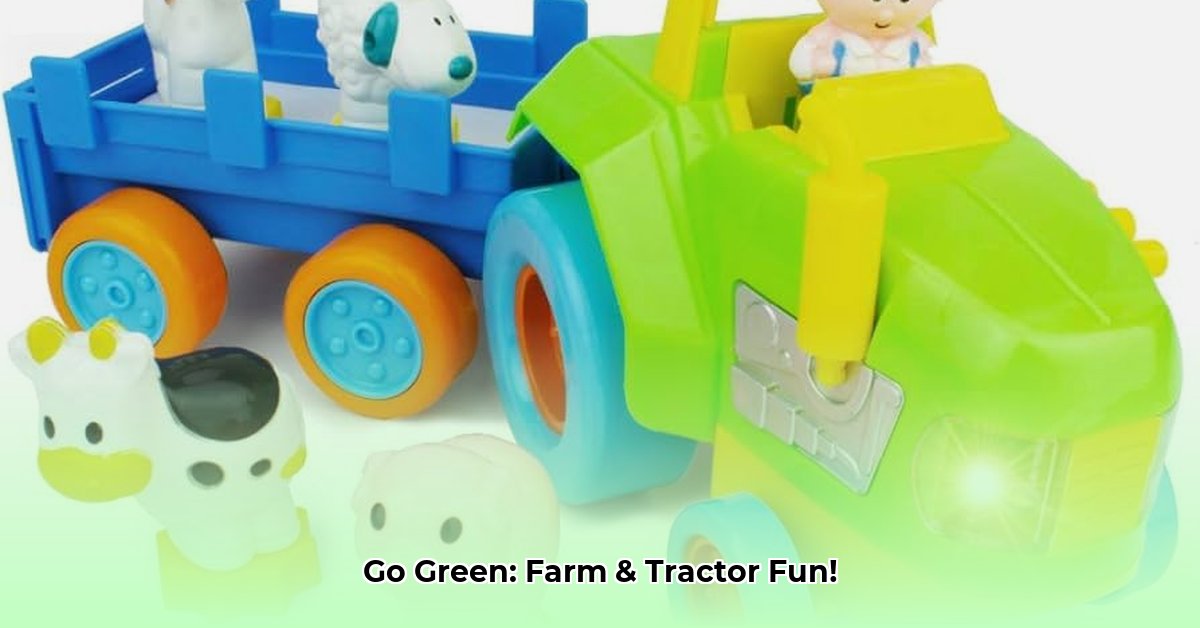
This guide uses a farm and tractor set as a fun, hands-on tool to introduce sustainable farming practices. It’s perfect for beginners, transforming playtime into a valuable learning experience about responsible agriculture. For more on tractor attachments, see tractor attachments.
Sustainable Farming: It's Not Just for Big Farms
Sustainable farming isn't solely for large-scale operations. It's about making conscious choices, regardless of farm size. Even a miniature farm and tractor set can effectively demonstrate crucial concepts like soil health, water conservation, and efficient resource management. This guide will show you how.
Imagine your play area transforming into a vibrant mini-farm where you'll learn about crop rotation, water conservation, and responsible resource management – all within a safe and enjoyable environment. This approach makes learning about environmentally friendly farming practices fun and relatable.
Learning Sustainable Practices: A Step-by-Step Guide
Let's transform your playtime into a sustainable farming adventure with these actionable steps:
Smart Crop Planning (Crop Rotation): Avoid planting the same crops repeatedly in the same location. This prevents nutrient depletion and reduces pest infestations. Think of it as giving your soil a "vacation"! On your miniature farm, rearrange toy crops regularly to simulate this crucial technique.
Conserving Water (Mindful Irrigation): Water wisely! Overwatering wastes precious resources and can harm plants. Use your toy watering can sparingly; this teaches the importance of efficient water use, mirroring real-world practices like drip irrigation which significantly reduce water waste.
Building a Mini Compost Bin (Waste Recycling): Create a small compost bin using biodegradable materials (cardboard scraps, paper). This illustrates how farmers use compost to enrich soil naturally, reducing reliance on synthetic fertilizers which often have a high carbon footprint.
Natural Pest Control (Beneficial Insects): Instead of harmful chemicals, introduce the concept of beneficial insects. A ladybug toy, for example, symbolizes natural pest control, thereby teaching about integrated pest management; a crucial aspect of sustainable farming that minimizes environmental impact.
Energy Efficiency (Responsible Energy Use): Many toy tractors use batteries. This opens a discussion on responsible energy consumption and the importance of battery recycling. Sustainable farming encompasses the entire lifecycle, from production to disposal.
Beyond the Toy Farm: Exploring the Wider World of Sustainable Agriculture
Your farm and tractor set is a springboard for broader learning:
Research Different Crops: Explore the specific needs of various plants and their interactions. Learn about companion planting, where certain plant combinations benefit each other, enhancing yields and reducing pest problems.
Explore Diverse Farming Techniques: Research innovative methods like hydroponics (growing plants without soil), vertical farming (using vertical space), or aquaponics (combining aquaculture and hydroponics). These methods improve efficiency and resource utilization.
Understanding Biodiversity: A diverse ecosystem is crucial for thriving farms. A variety of plants and beneficial insects create a more resilient and productive system.
“Sustainable agriculture isn’t just about efficient practices; it's about fostering a deeper connection with the environment,” says Dr. Emily Carter, Professor of Agricultural Sustainability at Cornell University. This holistic approach is what defines truly sustainable farming.
Weighing the Upsides and Downsides of Educational Toy Farms
| Pros | Cons |
|---|---|
| Fun, engaging, accessible for all ages. | Limited in fully replicating complex real-world challenges. |
| Introduces fundamental concepts in a relatable way. | Requires extra research and contextualization for a complete understanding. |
| Encourages creative play and imagination. | Offers limited hands-on, physical experience. |
| Relatively inexpensive and easily available. | Requires parental involvement and careful management. |
How to Reduce Your Carbon Footprint with Precision Agriculture Techniques
Precision agriculture, when implemented effectively, significantly reduces a farm's environmental impact. This section focuses on techniques that minimize waste and optimize resource use.
"Precision agriculture isn't just about technology; it's about making data-driven decisions that benefit both the farm and the environment," states Mr. David Miller, Chief Agronomist at Sustainable Farms Inc.
Precision Planting: Maximizing Every Seed
GPS-guided planters ensure optimal seed spacing, minimizing waste and maximizing yields. This reduces the need for additional resources such as fertilizer and water, thereby lowering the carbon footprint.
Smart Irrigation: Water Wisely
Smart irrigation systems, guided by sensor data and weather forecasts, deliver water only when and where it's needed. This approach conserves water and reduces the energy required for pumping.
Nutrient Management: Feeding the Soil, Not Just the Crop
Soil testing identifies nutrient deficiencies, allowing for targeted fertilizer application. This minimizes excess fertilizer use, preventing nutrient runoff and reducing greenhouse gas emissions.
No-Till Farming: Working With the Earth
No-till farming preserves soil structure, enhancing carbon sequestration and improving soil health. This reduces topsoil erosion and greenhouse gas emissions associated with tillage.
Renewable Energy: Powering a Sustainable Future
Adopting renewable energy sources like solar or wind power reduces reliance on fossil fuels, significantly reducing the farm's carbon footprint. This creates a cleaner, more sustainable operation.
Data-Driven Decisions: The Power of Information
Data collected through sensors and software provide crucial insights, optimizing every aspect of farming, from planting to harvesting. This precision approach minimizes waste and enhances efficiency. This data-driven approach is central to successful sustainable practices.
Even a small farm and tractor set can be a powerful tool for learning about and embracing sustainable agriculture. Let's cultivate a greener future!